

Improving the Properties of Titanium Alloys by Key Passivation Techniques
basic concepts and natural advantages of titanium alloys
passivation refers to the process of treating a metal with a strong oxidant or electrochemical method to oxidize its surface, thereby bringing it into an inactive (passivated) state. The main purpose is to transform the metal surface into a state that is resistant to further oxidation, thereby effectively reducing the corrosion rate. In addition, passivation describes a phenomenon in which the chemical activity of a reactive metal or alloy is significantly reduced, reaching a state comparable to that of a noble metal.
titanium and its alloys have an exceptionally outstanding passivation ability. This is due to their inherent ability to rapidly form a surface oxide film with a thickness ranging from several nanometers to several tens of nanometers. This natural oxide layer acts as a strong "armor", giving the titanium alloy excellent corrosion resistance and ensuring stable performance even in the harshest environments.
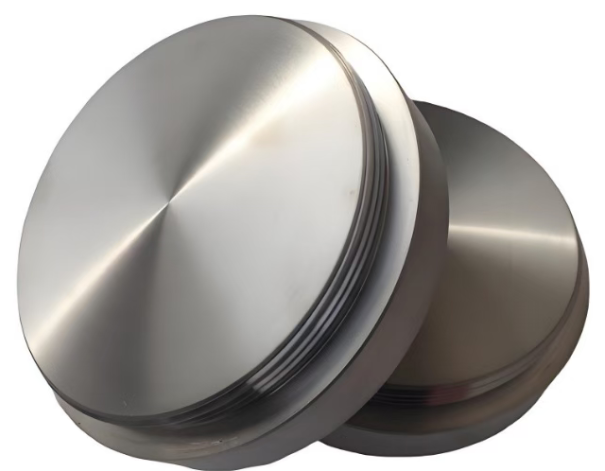
Titanium Alloy Commonly Used Passivation Process
electrochemical passivation
electrochemical passivation uses electrochemical principles to produce a dense oxide film on the surface of titanium alloys. This layer acts as a strict line of defense, effectively preventing corrosion of the alloy in the chemical medium, while protecting it from scratches during processing. The two main methods of electrochemical passivation areanodic oxidationandcathodic reduction, anodizing is the most widely used of titanium and titanium alloy products.
take common titanium consumer goods-such as titanium cups and chopsticks-as an example, anodic oxidation produces a very thin, colorless and transparent oxide film on the surface. When light irradiates the film, refraction and interference occur. The different thickness of the oxide film causes the human eye to perceive various colors. Starting from minimum thickness0.01 μ mand Increment0.01 μ m0.15 μ m, these changes enable pure titanium products to show vibrant and magnificent colors. It is this unique optical properties for titanium to win the "dream metal" reputation.
thermal passivation (heat treatment)
thermal passivation involves placing a titanium alloy in a furnace to oxidize the surface under specific time and temperature conditions. Once a certain thickness of the oxide layer is formed, a rapid cooling (quenching) operation is performed to produce a dense passivation film. The film significantly enhances the corrosion resistance of the titanium alloy, maintaining its structural integrity in an aggressive chemical environment. For example, in chemical processing equipment, titanium alloy parts treated by thermal passivation can operate stably for a long time, greatly reducing maintenance and equipment replacement costs.
chemical passivation
chemical passivation consists of two main stages:picklingandchemical passivation. Pickling is the standard method in the processing of titanium and its alloys; its main function is to remove oil, existing oxide films and impurities from the surface, creating optimal conditions for the subsequent passivation step. Chemical passivation involves immersing the titanium surface in a solution containing a specific chemical agent. This process induces the formation of a dense oxide layer, thereby stabilizing the surface state and enhancing the durability and corrosion resistance of the alloy.
pickling and passivation
pretreatment
Before pickling and passivation, any surface contaminants or debris must be removed by mechanical cleaning, followed by degreasing. This step is critical because surface impurities and oil can interfere with chemical reactions, resulting in uneven oxide films and impaired corrosion resistance.
Process Control
In pickling and passivation operations, strict process control is essential. Usually, anitric acid ($ HNO_3 $)solution. According to industry experience, the ratio of nitric acid to water is generally set1:10or1:15. If the ratio is incorrect or the procedure is not handled properly, the processing tank may release a large amount of "yellow smoke" (nitrogen oxides). This gas is not only an environmental pollutant, but also a serious health hazard; therefore, the acid ratio and operating conditions must be strictly monitored.
pickling duration
Titanium has a high affinity for hydrogen, although longer pickling times theoretically allow for a more thorough reaction and better cleaning. Excessive pickling time results in increased hydrogen absorption. This entry of hydrogen reduces the toughness of titanium alloys and triggershydrogen embrittlement, this severely impairs the mechanical properties. Therefore, the duration5 to 10 minutesis considered to be the optimum range for the pickling process.
post-processing
pickling is completed, a thorough water wash is required to remove residual acid solution and impurities. It is essential to ensure that there are no traces of acid on the surface, as they can degrade the quality of the final passivation film. After rinsing, a drying process is required to eliminate surface moisture and prevent any re-oxidation or secondary corrosion caused by residual water.
Safety and Environmental Protection
The use and handling of the acidic solution during passivation must be handled with extreme care. These solutions are highly corrosive; any leakage or improper disposal can result in serious environmental damage and physical injury. Operators must strictly abide by safety regulations and wear comprehensivePersonal Protective Equipment (PPE), including acid-resistant gloves, goggles and protective clothing. In addition, the spent acidic solution must be properly treated to ensure compliance with environmental regulations.
Conclusion
titanium alloy passivation is a widely used surface treatment technology. It effectively removes oxides, corrosion products and other impurities from the surface, significantly improving the surface quality and material properties of the alloy. Through the application of various methods-including electrochemical, thermal and chemical passivation-and strict control of the pickling process, titanium alloys can maintain excellent performance in a variety of harsh environments. This not only extends their service life, but also provides strong support for the development of multiple industries. With the continuous progress of science and technology, the passivation process will continue to improve and innovate, opening up a broader field of vision for the application of titanium alloys.


