

Titanium Equipment
In the field of titanium equipment manufacturing, selecting the appropriate processing technology is essential to ensure equipment quality, performance and cost control. Due to the unique physical and chemical properties of titanium, its processing technology involves specific requirements and challenges compared to other metallic materials. We provide an in-depth report on several common manufacturing processes used in the production of titanium equipment; the following sections detail these processes based on our findings.
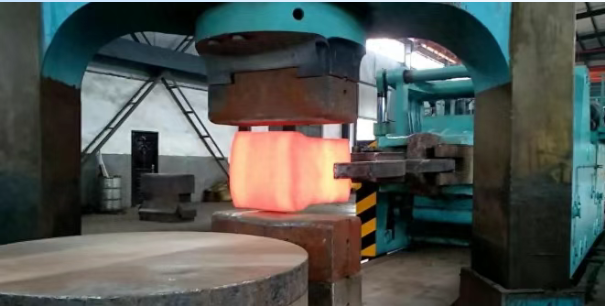
bending and forming: common processes of plasticity and elasticitybending forming is a manufacturing process combining plastic and elastic deformation, and it is one of the most common forming methods in titanium equipment manufacturing. During bendingspringbackis a key factor that must be considered. Although the bending angle of titanium can usually exceed 90 °, it must adhereminimum bending radiusrequirements to ensure structural integrity and quality.
cold bendingcan be used. Although cold bending is relatively simple, it is strongly recommended to performstress relief annealing. This is because residual stresses are generated in the tube during the cold bending process; if not eliminated in time, these stresses may damage the performance and service life of titanium components.
hot bendingclassification:stretch bendingandpush bend, depending on the force applied. In the hot bending process, the heating temperature is usually controlled between 177°C and 350°C (although titanium alloys can be heated to 427°C). In this temperature range,yield strengthis reduced by 25%% to 50% %, while its ductility is improved. This results in minimal rebound angle and low gas contamination. These characteristics enable hot bending to achieve excellent accuracy and meet the stringent requirements of titanium equipment manufacturing.
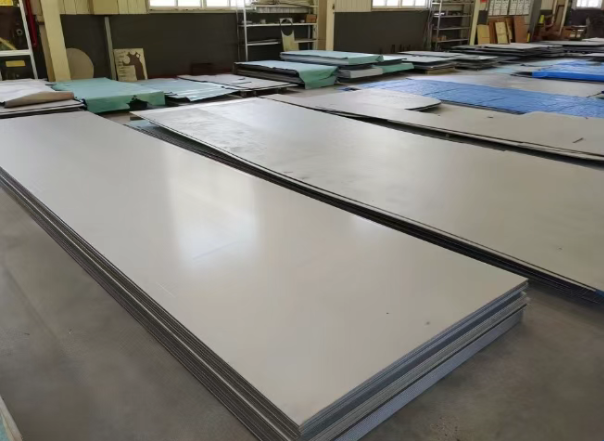
Stamping and Forming: Multiple Methods for Titanium's Unique PropertiesStamping and molding titanium and its alloys is relatively challenging because their bending radii are larger than those of conventional steel and non-ferrous metals. In order to achieve effective stamping, several methods are commonly used: cold forming, hot forming and pre-forming, followed by hot sizing.
-
cold forming:is mainly used for thin-walled workpieces with minimal deformation, large bending radius and low dimensional accuracy requirements. For larger deformations, a combination of cold stamping and intermediate annealing is used. Cold stamping must be followed by a final stress relief anneal to ensure dimensional stability.
-
thermoforming:complex shapes and high deformation parts. According to the different temperature, divided:
-
low temperature molding (200 - 350°C):.
-
high temperature molding (600 - 800°C):is suitable for thick plates and large-scale components with large deformation. Heating methods include heating the mold, heating the blank, or both. Surface treatment after molding, as shown insandblasting and pickling, the oxide scale and contamination layer need to be removed.
-
-
hot sizing after preforming:, this involves creating a pre-formed part by conventional stamping, and then heating rectification on a special machine. This effectively eliminates residual stresses and springback, ensuring that the final part meets precise geometric tolerances.
Spinning: Multifunctional Integration of Process Advantagesspinning combines the characteristics of forging, extrusion, stretching, bending and rolling. This process has several obvious advantages: excellent deformation conditions with wide range of control, high material utilization (saving 20% - 50% material cost), and excellent surface finish with tight dimensional tolerances. These benefits have led to the widespread adoption of spinning in the manufacture of high-precision titanium equipment.
Tube Expansion: A Reliable Method for Connecting Titanium Tubes to TuesheetWidely used to connect titanium tubes to tubesheetExtensionis a mechanical connection method that achieves sealing and fastening by deformation of two parts. This is a key step in the manufacture of shell and tube heat exchangers. For titanium connections,expansion (internal diameter expansion rate)is 1% 6%, if measured, it can reach 5%wall reduction rate.
:
-
mechanical expansion:simple operation, wide application.
-
flexible (hydraulic/rubber) expansion:better adapt to deformation to improve joint quality.
-
explosive expansion:uses explosive energy for efficient, high-strength bonding, although it requires professional operating expertise.
, various processing technologies in titanium equipment manufacturing-including bending, stamping, spinning and tube expansion-have unique characteristics and specific application areas. In actual production, these processes must be strategically selected and integrated according to the specific requirements of the equipment, the inherent characteristics of titanium materials and the main production conditions. This balanced approach ensures the superior quality and performance of titanium equipment, and ultimately promotes the continuous progress of titanium manufacturing.


