

Medical titanium alloy: the "strength leader" in the field of health care"
In the vast world of biological materials, titanium alloys stand out because of their excellent performance and become the "star material" in the medical field ". Biomaterials are designed to interact with biological systems to diagnose, treat, repair, or replace tissues and organs. In various categories-including metals, polymers and ceramics-medical metals have a significant share, especially in orthopedic and cardiovascular products, with titanium alloys leading the way.
significant advantages
titanium alloys stems from their unique properties:
-
biocompatibility:this is their biggest asset. It triggers minimal biological reactions and is non-toxic and non-magnetic. As a human implant, it coexists harmoniously with tissues and organs without side effects.
-
mechanical properties:it has high strength and low modulus of elasticity. This modulus is close to that of natural human bones, effectively reducing the "stress shielding effect" and promoting faster bone growth and healing.
-
corrosion resistance:is stable in the human physiological environment and will not cause pollution or degradation for long-term use.
-
Lightweight:its density is only about 57%% of stainless steel, significantly reducing the patient's physical load and allowing more natural movement.
Medical Titanium Alloy
titanium has gone through three different stages:
-
1950 s-1980s:age of pure titaniumTi-6Al-4V. Pure titanium has demonstrated its biocompatibility, while Ti6Al4V is widely used for surgical repair and replacement.
-
1980 s-1990s:studies have revealed the potential toxic side effects of vanadium (V) and aluminum (Al). This led to a second generation of improved alloys using niobium (Nb) and iron (Fe) as safer alternatives.
-
from the 1990 s to the present:$ \ beta $-Titanium alloy(if Ti13Nb13Zr) begins. These provide better biocompatibility and lower elastic modulus, providing a superior choice for modern medicine.
in the medical field
-
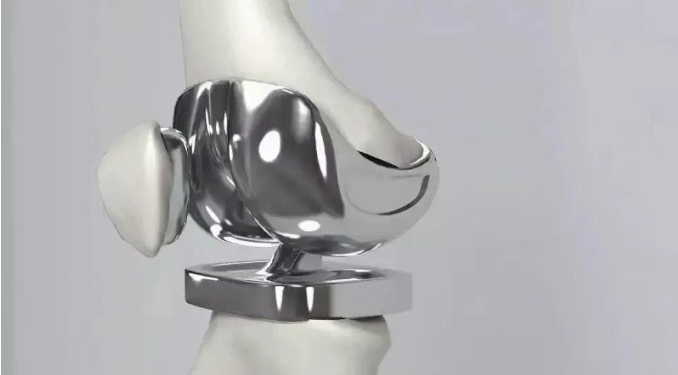
Orthopedics:Titanium is used for the elbow and ankle joints due to its elastic modulus close to that of bone. Titanium knee plate is lighter and more corrosion resistant than stainless steel, making it the first choice for millions of people who undergo joint replacement every year.
-
Dental:titanium's affinity for epithelial and connective tissues makes it ideal for dental implants. It is lightweight, comfortable, and can be surface treated to meet aesthetic requirements.
-
maxillofacial surgery:For severe facial tissue injuries, titanium mesh acts as a "bone cradle" for reconstruction, combining the necessary strength and excellent biocompatibility.
-
Surgical Instruments:Titanium instruments are corrosion resistant (withstand repeated sterilization), non-magnetic (protect sensitive implants), and light weight. This reduces the surgeon's fatigue during surgery involving scalpels, forceps and bone drills.
As the demand for trauma recovery and an aging population increases, titanium alloys will remain the first choice for human implants, driving new economic growth in the medical industry.


